
Signs Your Car Needs an Oil Change
Most drivers know that engine oil needs to be changed regularly. Fewer know what to look for when an oil change is overdue or when the oil is no longer doing its job properly.
Your engine oil does more than lubricate moving parts. It removes heat, carries away contaminants, and protects metal surfaces from wear. When it breaks down or runs low, the engine starts telling you in both subtle and obvious ways.
Here are the key signs worth knowing.
1. Your Oil Change Warning Light Is On
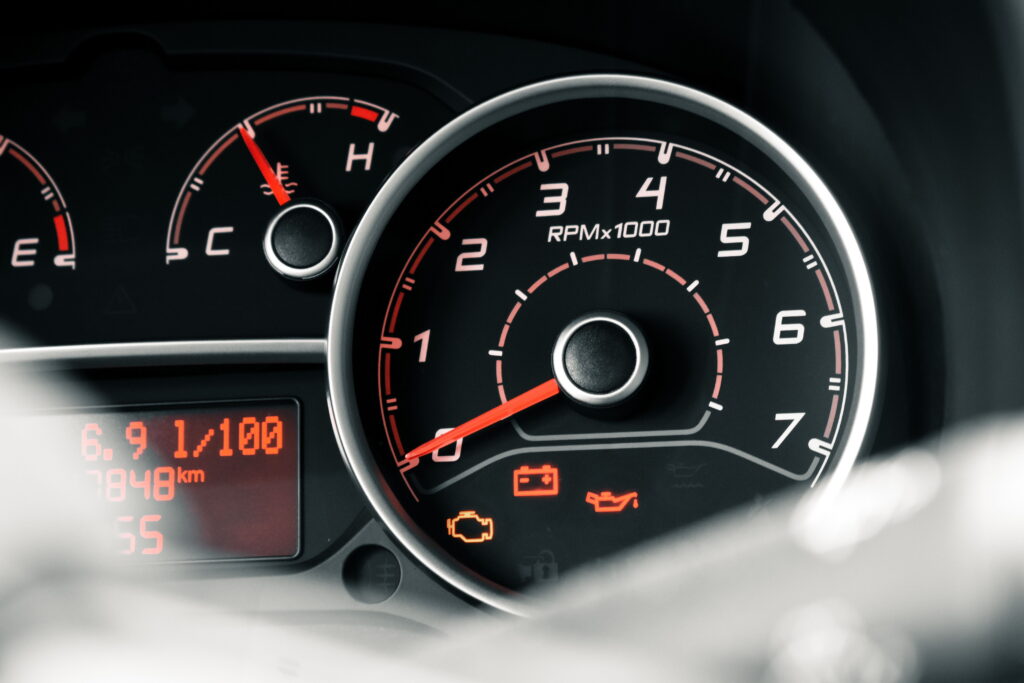
The most straightforward sign is a dashboard warning light.
Most modern cars have an oil pressure warning light or a dedicated service reminder. If the oil pressure light comes on while you are driving, do not ignore it. Low oil pressure can cause serious engine damage within a short time.
An oil service reminder light is different: it indicates that a scheduled oil change is due based on your mileage or driving time. This does not mean the engine is about to fail, but it does mean the change should be booked rather than put off.
If you are unsure which light has appeared, check your owner's handbook or contact a garage.
Also Read: What engine oil does your car need?
2. The Oil Looks Dark, Thick, or Dirty on the Dipstick

Fresh engine oil is a light amber colour. Over time, as it picks up combustion byproducts, metal particles, and general contamination from inside the engine, it turns darker.
Checking the dipstick takes less than a minute and gives you a useful picture of your oil's condition:
The level matters too. If the oil is below the minimum mark, top it up with the grade specified in your handbook before driving further.
3. You Can Smell Burning Oil Inside the Car
If you notice a burning smell inside the cabin while driving, it may indicate that oil is leaking onto a hot engine component.
This can happen when a seal or gasket is failing. The oil drips onto the exhaust system or another hot surface and burns off, producing a distinctive smell that can reach the interior.
A burning oil smell should not be left uninvestigated. It can indicate a developing leak that will worsen over time and leave you low on oil without warning.
4. The Engine Is Running Louder Than Usual
Engine oil creates a thin film between moving metal parts. When that film breaks down or the oil level drops, those parts come into closer contact with each other.
The result is often increased engine noise, such as a knocking, ticking, or rumbling sound that was not there before. You may notice it most at startup, particularly on a cold morning, when oil pressure takes a moment to build.
In Dublin driving conditions, where engines regularly cycle through cold starts and heavy traffic, this kind of wear can accumulate more quickly than drivers expect. If your engine sounds different from usual, have the oil level and condition checked before assuming it is something more serious.
5. You Are Getting Through More Fuel Than Usual
Engine oil that has degraded or is low forces the engine to work harder to maintain performance. More effort from the engine generally means more fuel being used.
If you notice that your fuel economy has dropped without an obvious explanation (such as carrying extra load, adverse weather, or changing driving habits), checking the oil is a sensible first step.
This is not a definitive sign on its own, but combined with other symptoms, it points in a clear direction.
6. The Engine Oil Smells of Petrol or Exhaust
Fresh engine oil has a slightly chemical but neutral smell. If you notice that the oil on the dipstick smells strongly of petrol or exhaust fumes, it has been contaminated.
Petrol can enter the oil through piston ring wear or through running repeatedly on very short trips where the engine does not fully warm up. Exhaust gases can get past worn piston rings in a process called blow-by.
In both cases, the contaminated oil loses its ability to protect the engine effectively and should be changed promptly.
What Happens If You Leave an Oil Change Too Long?
Engine oil that is overdue for a change does not simply become less effective; it can actively cause damage.
Degraded oil becomes thicker and more resistant to flow, particularly in cold conditions. This increases the time it takes for oil pressure to build at startup, which is the exact moment when engine wear is highest.
Over time, old oil can also leave deposits inside the engine. These deposits can restrict oil flow through narrow passages, reduce the efficiency of moving parts, and, in severe cases, cause components to fail.
An oil change is one of the least expensive forms of engine maintenance. Leaving it too long rarely saves money and often costs significantly more when the consequences catch up.
Keep Your Engine Running Smoothly
Regular oil changes are one of the simplest and most cost-effective ways to extend the lifespan of your vehicle's engine. Whether you have noticed warning signs or simply cannot remember your last service date, taking action early ensures your engine remains protected.
If you are looking for a reliable oil change service in Dublin, contact Worldwide Cars today. Our experienced mechanics check your oil condition, use manufacturer-specified oil grades, and provide clear, upfront advice tailored to your driving habits. Call us or fill out our online contact form to book your oil change and receive same-day availability.
Also Read: How Often Should You Service Your Car in Dublin?
Not sure where your car stands?
Send us your reg and we'll tell you what's due — no obligation.
Send us your reg and we'll tell you what's due.
Book your next service with a workshop that shows its work
Fixed pricing, digital vehicle report, courtesy car on request. Dublin, Mon–Sat.
Martin Byrne
Master Technician
Leads the servicing bay at World Wide Cars.

Book a service with a workshop that shows its work
Fixed pricing, digital report, courtesy car on request.